A doctor’s call is hard enough when you share a language. You are worried, you are trying to remember symptoms, and you are listening for words you may not know. When you do not share a language, every part of that call gets harder — and the stakes are higher than on a missed delivery or a wrong order. According to the U.S. Census Bureau, about 28.9 million U.S. residents speak English less than “very well” — for them, this is what an ordinary phone call to the clinic looks like.
Most of these calls are ordinary: booking an appointment, asking about a prescription, checking a test result. A few are not ordinary, and those need a different approach. This guide covers both: how to handle the everyday calls, and how to tell when you need a human interpreter instead.
Quick Answer: You have three options: ask the clinic for an interpreter, bring someone bilingual, or use a call translator. For everyday appointments, follow-ups, and prescription questions, a call translator is the simplest choice. For a diagnosis, a consent form, or a medication change, book a professional interpreter instead.
Why Doctor Calls Are Harder Across Languages
On a phone call, you lose everything except words. In person, you can point at where it hurts, show a rash, or hand over a pill bottle. On the phone, you have to describe all of that in a language you may not speak well — and understand the answer the same way.
Three things make doctor calls harder than most other calls. First, symptoms are vague by nature. “It hurts here sometimes” is hard to say clearly even in your first language. Second, medical words are unfamiliar. You may know the word for “stomach” but not for the test the doctor just named. Third, the numbers matter more. A dose, a frequency, a date for a follow-up — get one of those wrong and the consequences are real, not just inconvenient. A Health Affairs review of the evidence links language barriers to medical errors and to poor communication about diagnosis, treatment, and prescribed medication.
Then there is the speed. Clinic staff answer phones all day. They speak fast, they use short forms, and they move on to the next question before you have finished processing the last one. None of that is their fault. It is just how a busy clinic sounds — and it is exactly why a little preparation changes the whole call.
Before You Call: Get Ready in Two Minutes
Write down why you are calling. One or two sentences: the symptom, when it started, and what you need. “My son has had a fever for three days, and I need an appointment” is easier to say — and to translate — than a long explanation you build up as you talk.
Have your details in front of you. Insurance card, date of birth, and the name of your pharmacy. Clinic staff ask for these on almost every call. Having them ready means you are not searching through a drawer while the other person waits.
List your medications exactly as printed. Names and doses, copied from the bottle or the box. Drug names are one place where you should not guess or paraphrase. Read them off, letter by letter if you have to.
Write your questions down too. Two or three at most, in order of importance. People forget their questions on medical calls even without a language barrier. On paper, they do not get lost.
Find a quiet place. Background noise makes any call harder to follow. For a translated call, it matters twice as much, because the translation can only work with what the microphone clearly hears.
How to Make a Translated Doctor Call
- Download AI Phone. Get the app on your phone first — the call goes through the app.
- Pick your languages. Set the language you speak and the language the clinic speaks before you dial.
- Place the call through AI Phone. The clinic answers a normal phone call. There is nothing for them to install or set up.
- Talk in short turns. Say one thought, then pause. Let the other side answer before you move on.
- Confirm the important details before you hang up. Repeat the date, the time, the dose, and the instructions back, and ask them to confirm.
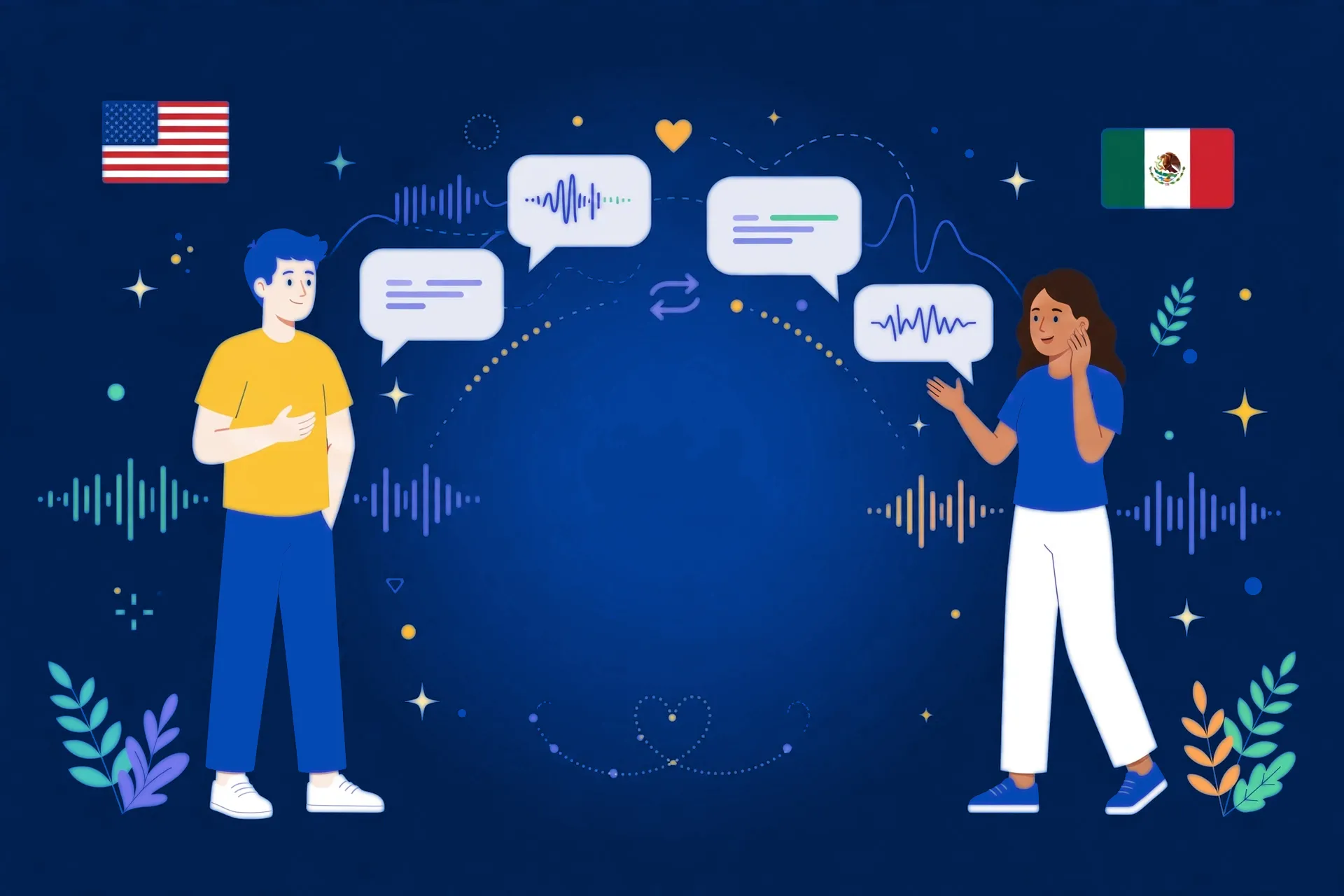
With translated calling with AI Phone, both sides can speak their own language while the call goes on. If this is your first time, follow the step-by-step setup guide before you dial.
During the Call: Habits That Keep It Accurate
Say upfront that you are using a translator. First thing: “I am using a translation service, so please speak in short sentences.” Clinic staff hear this often, and most of them slow down right away. One sentence at the start saves repeated confusion later.
Describe what you feel, not what you think it is. “Sharp pain here when I breathe” translates cleanly. A guess about the diagnosis does not, and it can send the conversation in the wrong direction. Leave the diagnosis to the doctor.
Slow down for numbers. Doses, frequencies, dates. Ask for them one at a time and repeat each one back. “Twice a day” is a small phrase with a large effect if it comes across wrong.
Ask them to explain it differently. “Can you explain that differently?” works fine through translation. Doctors rephrase things all day. It is part of the job, and no one will think less of you for asking.
If you get transferred, start short again. A nurse or doctor picking up mid-call has no context. Give them the one-sentence version first — who the patient is, the main symptom, what you need — and then go into detail.
What About Emergencies?
If it is an emergency, dial your local emergency number directly. Do not route the call through AI Phone or any translation service. Emergency dispatchers have their own interpreter services, and seconds matter. A call translator is for appointments, follow-ups, prescriptions, billing questions, and lab results — not for emergencies.
When a Human Interpreter Is the Right Call
AI translation is good, but it is not perfect. On a shopping call, a small error costs you a return. On a medical call, a small error can cost you much more. That is why some calls deserve a trained human interpreter, even when a call translator could handle the everyday ones.
Ask the clinic about interpreter services first — many clinics can arrange one, sometimes at no cost to you. Under Section 1557 of the Affordable Care Act, clinics that receive federal funding have to take reasonable steps to provide language assistance to patients who need it. Book a professional interpreter for a new diagnosis, consent for surgery or a procedure, starting or changing a medication dose, serious test results, or anything you have to sign or agree to. These are the calls where “close enough” is not good enough.
A family member can help with a simple booking. For a serious decision, a trained interpreter is the safer choice: they know medical terms, they stay neutral, and they will say when something is unclear instead of guessing.
And if you finish a call unsure about something important, do not guess. Call back with an interpreter, or ask for the instructions in writing. Getting it right late is still better than acting on a guess.
After the Call: Get It in Writing
Ask for written instructions. Most clinics can email or text after-visit instructions. Get them. A translated call plus written instructions means you can check the details later instead of relying on memory.
Confirm the pharmacy before you hang up. If a prescription was called in, ask which pharmacy received it. One question now saves a wasted trip later.
Save the direct number. If you reached a helpful nurse or a front desk that was patient with the translation, save that extension. Next time, you skip the main line.
Check your notes against the call record. AI Phone gives you a transcript and a summary of the call. Read them after you hang up and compare them with what you wrote down. Anything that does not match is worth a quick follow-up call.
Final Thoughts
You do not need to be fluent to get good care. You need to be understood — and to understand what comes back. For most doctor calls, preparation plus a translated call gets you there: a short script, short turns, and a careful check of the details at the end.
Know the line, too. When the call is about a diagnosis, a consent form, or a dose, bring in a human interpreter. Using the right help for each kind of call is not a weakness. It is how you make sure the care you get is the care you actually need.
Don’t let language get in the way of care
Call your doctor, pharmacy, or insurance — AI Phone translates the conversation live.